
9 Things I Learned About the British Media Industry
- Alyssa Mahaffey
- Feb 26, 2019
- 4 min read

1. The Price of No Adverts
Who can honestly say they enjoy the five minutes of advertisements that come between your television show? Besides for the annual Superbowl advert extravaganza, advertisements are not an American or a worldwide favorite. Yet for £150.50 in Great Britain, the BBC will provide you with an advert free entertainment experience.

2. A New Age of News
With the emergence of smartphones and social media, it was only time before the public would be able to take part in news coverage. Now anyone is able to send in videos or pictures to those who cover the news. Social media also provides content for broadcasts of things that journalists were not able to cover. While this is a huge positive to the industry, it also puts a lot on the BBC and other news stations to make sure the content they are receiving is accurate.

3. Your Grandma is Spreading Fake News
Did you know that false news stories are 70% more likely to be retweeted than true ones? Did you also know that your parents and your grandparents are more likely to be the culprits of spreading fake news? As Facebook and Twitter become “news outlets” for those who use the platforms, fake news stories and articles are being sent around and shared. So the next time your relative starts a flight in the Facebook comment section with you, make sure to check their sources.

4. Ever Feel Like People are Putting Words in Your Mouth? Well, Now They Actually Can.
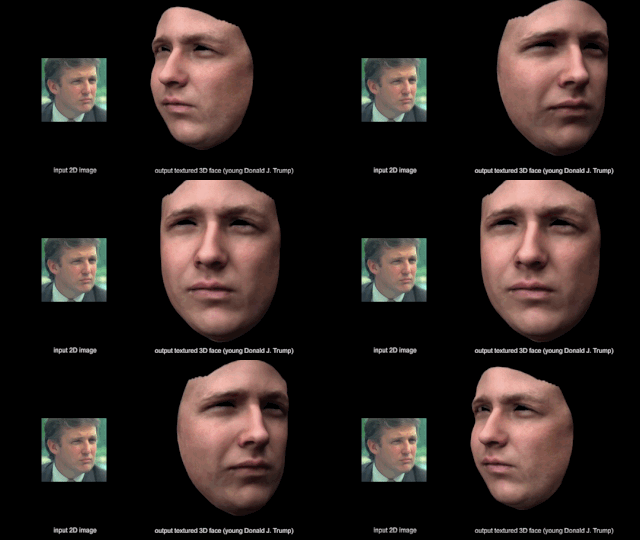
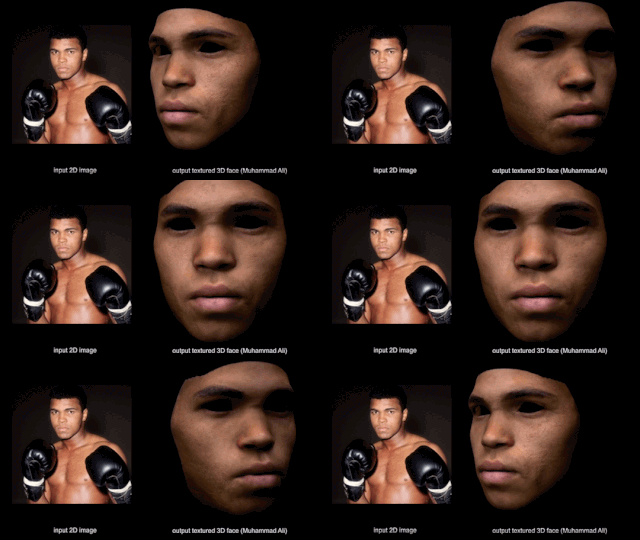
As technology evolves, so does the capacity for it to outwit the human psyche. While younger generations play around with filters on Snapchat and Animogis on their iPhones, the technology is being taken to the next level. A single photograph can now allow someone to create a 3D face which can be animated. This 3D animation can then allow you to become a character in your favorite game or even allow someone to lip dub anything while making it look like you said it. Not a problem? Not until someone animates the president pushing that big red button.
5. Something to Swipe About
In the age of online dating, you are able to create a profile and gear your feed to reflect certain attributes of the preferred sex. How old, how far, are they in university, male or female or both, how much are they allowed to know about you, etc. This then creates a dating algorithm based on your preferences. So you’re swiping and you match with someone. You have a great conversation which leads to a great date. This leads to more dates. You move in together. You even get married. And then comes the baby carriage. But the ultimate question is: was your child’s DNA made by an algorithm?

6. Mark Zuckerberg Knows You Better Than Your Mother
As we know less and less due to fake news, Facebook knows more. We all know that Apple records our everyday conversations and that Facebook knows every item you have ever searched for. But why should we care? Do we care? Did you know that Facebook knows how you have looked through every age since you were thirteen and created your account? Their software could help anyone track you down through simple security cameras. Yet we still use it for the convenience of “staying in touch with friends”. Or is this all just fake news like your granny has been spreading around?

7. Where is the Diversity in Platforms?
As media monopolies such as Netflix, Amazon, and Spotify gain more subscribers, entertainment suppliers like the BBC and HBO must step up their game. Independent filmmakers are also finding it harder to showcase their films as the movie industry becomes less dynamic with the same actors, plots, and reboots of films. Online media such as Facebook is also leading the public to shy away from newspapers and news stations as they are able to receive almost the same news coverage through their social media feeds. With podcasts, original shows/movies, and new ways to interact with the news primitive media outlets are able to get themselves back into the game.
8. The Club Strategy
In the age of social media, having and being proficient at it is a must. Brands such as Arsenal Football Club are able to increase their public awareness and fanbase with their use of digital reach. With 82 million followers overall social medias, their digital outreach is up more than 413%. From the players themselves to their Director of Communications, everyone makes a lasting impression through social media by interacting or choosing to not interact with their fanbase. Overall, social media has brought a whole new type of fan to sports, music, film, art, etc and it is growing.

9. Digital Britain vs Digital America
The digital world is changing all around the globe at an immense pace. The world of news from newspapers and anchors is having to fight for its right to catch the public eye. Yet, the public can’t get enough of their additions to the news through comments on articles and having their own media posts featured in breaking stories. The digital world is also becoming increasingly scary from 3D animations of your face to anyone being able to make you say anything. Two of the biggest powers in the Western world are fighting to tame the digital age and, other than the £150.50 license fee that provides no adverts, both are eerily similar in their ways.


Comments